
How to choose a safety vest?
Oct 08,2022 | Madge

If you're in any job where accidents can happen, you know what a safety vest does. The purpose of a safety vest is to allow the wearer to be seen at all times and to alert everyone present, especially in low visibility conditions. Specifically, it can help warn workers, equipment operators and drivers that someone is in a nearby work area. The extra visibility gives them valuable time to stop or slow down operations until people leave the danger zone, potentially even saving lives.
Given that many vests look similar, choosing the right high-definition safety vest can be a challenge. Maybe you are a beginner in the field of safety vests, then it would be great to have something for you. This article from Hycoprot aims to provide you with a guide to making your online shopping experience as easy as possible.
Material (Mesh vs Knit)
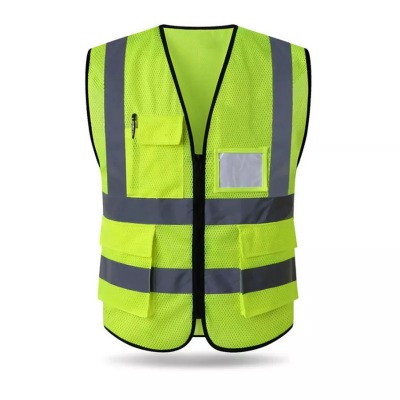
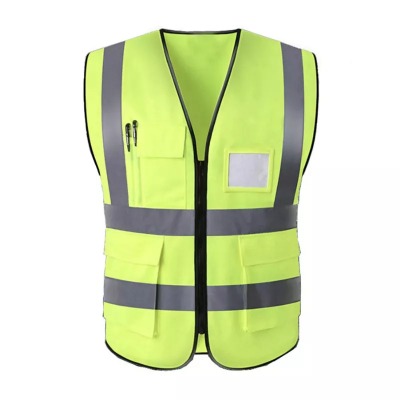
Knit materials are less breathable and sweat-wicking than mesh, but are better at keeping warm and sometimes more comfortable. No matter what material they are made of, they should be light and breathable.
Size
A safety vest that is too tight can be uncomfortable, and too large can be distracting or dangerous. Knowing yourself and choosing the right size that fits your body is essential. Look carefully at all the product pictures (including the pictures in the description) and the size chart, and pay attention to whether there are any hints that you need to buy a larger or smaller size. If the information displayed is not very clear, it is necessary to contact the merchant to ask questions before purchasing.
As a reminder, some one-size vests are only marked with a suggested fit, which doesn't mean you're absolutely safe within its reach. Therefore, it is also a good reference to check the reviews of other buyers in the comment area.
ANSI Grade
As we all know, there are different types and grades of safety vests, and it is also one of the most important factors to consider when choosing. The ANSI/ISEA 107 standard contains rules for specific classes of safety vests.
Class 1 Safety Vests/Non-ANSI Safety Vests
Made from a small amount of high-visibility material that does not meet ANSI/ISEA standards. This economical safety vest may be required if you are driving under 25 mph, or in other situations where you are off the road but accidents are likely to occur.
Class 2 Safety Vests
Made from an increased number of high-visibility materials to ANSI 107-2010. All workers within the public right-of-way on federal highways must wear an ANSI-approved Class 2 safety vest as a minimum requirement.
Class 3 Safety Vest
Provides increased high visibility protection and meets ANSI 107-2010 standards. It's important to note that this level must have sleeves with reflective material to help contour the worker's body. This is also a simpler way of distinguishing between Class 2 and Class 3.
Closure Type and Pockets
The type of closure of the vest affects its comfort and usability. There are two main types of closures: zipper and hook and loop. A third, less common type of closure is the split, which can clip the vest if using heavy machinery so that the vest will rip off a person’s body. This is designed to help prevent workers from becoming entangled in machinery or moving vehicles.
Pockets are one of the most useful features users look for in high-visibility gear, and you can search for specific types of pockets, including pencil pockets, tool pockets, ID holders (chest pockets), or sleeve pockets.
The nature of your job and the organization of your team will determine the color of your safety vest care.